
Sleep Deprivation Symptoms: Early Signs and Health Effects
Introduction
Sleep deprivation symptoms occur when your body does not get enough quality sleep. Many people ignore poor sleep, but lack of rest slowly damages physical health, mental focus, and emotional balance. According to sleep research, adults need 7–9 hours of sleep per night, yet millions sleep less.
This article explains common sleep deprivation symptoms, early warning signs, long-term effects, and when to seek help—using clear and simple language.
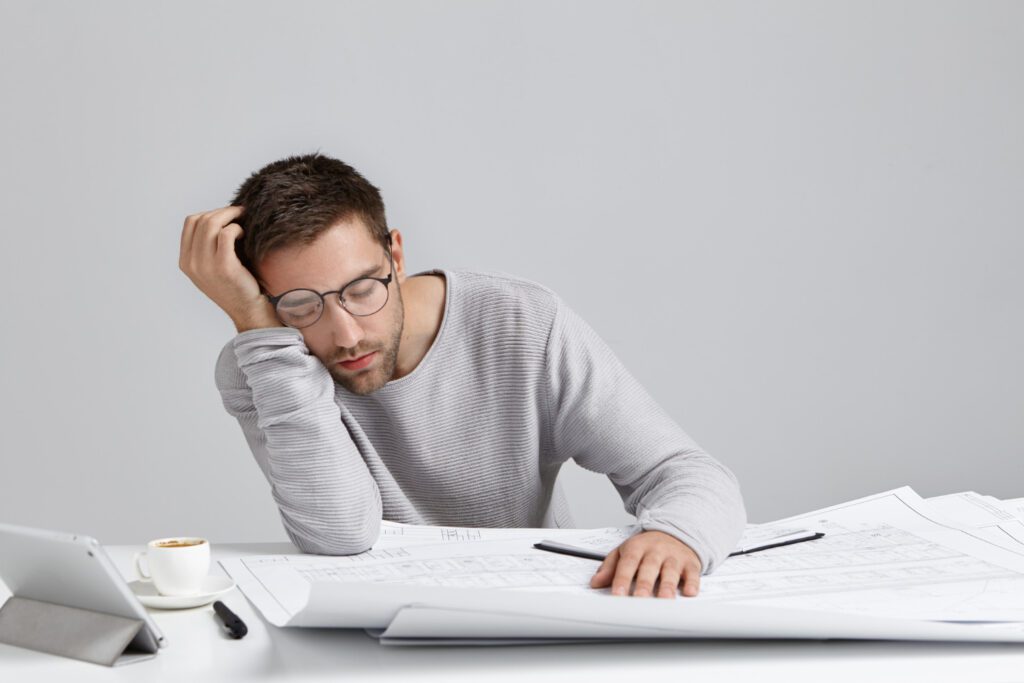
What Is Sleep Deprivation?
Sleep deprivation happens when you:
- Sleep fewer hours than your body needs
- Have broken or poor-quality sleep
- Stay awake for long periods
It can be short-term (one bad night) or chronic (weeks or months).
Common Sleep Deprivation Symptoms
Below are the most reported sleep deprivation symptoms affecting daily life.
Physical Symptoms
- Constant tiredness
- Headaches
- Low energy
- Muscle weakness
- Slow reaction time
- Frequent illness (low immunity)
Mental and Cognitive Symptoms
- Poor focus
- Memory problems
- Confusion
- Slow thinking
- Trouble making decisions
Emotional Symptoms
- Mood swings
- Irritability
- Anxiety
- Low motivation
- Feeling overwhelmed
Sleep Deprivation Symptoms Table
| Category | Symptoms | Impact Level |
|---|---|---|
| Physical | Fatigue, headaches, weak immunity | High |
| Mental | Memory loss, poor focus | High |
| Emotional | Mood swings, anxiety | Medium |
| Behavioral | Poor work performance, mistakes | High |
| Long-Term | Heart disease, diabetes risk | Severe |
Early Warning Signs of Sleep Deprivation
Early signs are often ignored. Watch for these early sleep deprivation symptoms:
- Needing caffeine to function
- Feeling sleepy during the day
- Forgetting simple tasks
- Trouble waking up
- Reduced motivation
Early action prevents long-term damage.
Effects of Sleep Deprivation on the Brain
Sleep is critical for brain repair. Without enough rest:
- Brain processing slows
- Memory storage fails
- Learning becomes harder
- Reaction time increases accident risk
Studies show sleep-deprived people perform similar to someone under alcohol influence.
Effects on Physical Health
Chronic sleep deprivation symptoms increase risk of:
- Heart disease
- High blood pressure
- Weight gain
- Diabetes
- Hormone imbalance
Why This Happens
- Stress hormones rise
- Blood sugar control weakens
- Appetite hormones become unstable
Sleep Deprivation and Mental Health
Poor sleep strongly affects mental health.
Common links include:
- Depression
- Anxiety disorders
- Burnout
- Emotional numbness
People with chronic sleep loss are twice as likely to develop mood disorders.
Sleep Deprivation Symptoms in Different Age Groups
Adults
- Poor work performance
- Increased stress
- Low energy
Teens
- Poor school results
- Emotional outbursts
- Attention problems
Older Adults
- Memory decline
- Higher fall risk
- Weakened immunity
Causes of Sleep Deprivation
Common causes include:
- Long work hours
- Screen use before bed
- Stress and anxiety
- Poor sleep schedule
- Sleep disorders (insomnia, sleep apnea)
When to See a Doctor
Seek medical help if:
- Symptoms last over 2 weeks
- Daytime sleepiness is severe
- You fall asleep unintentionally
- Mood changes worsen
Early treatment improves quality of life.
How to Reduce Sleep Deprivation Symptoms
Practical Tips
- Sleep and wake at the same time daily
- Avoid screens 1 hour before bed
- Reduce caffeine after noon
- Keep bedroom dark and cool
- Practice deep breathing before sleep
Healthy Sleep Habits
- Exercise regularly
- Avoid heavy meals late
- Get sunlight in the morning
Frequently Asked Questions (FAQ)
Can sleep deprivation cause permanent damage?
Long-term sleep deprivation can increase risk of chronic diseases but is often reversible with proper sleep recovery.
How many nights of poor sleep cause symptoms?
Even one night of poor sleep can affect focus and mood.
Is sleeping extra on weekends enough?
No. Irregular sleep patterns can worsen symptoms.
Can naps fix sleep deprivation?
Short naps help but do not replace full night sleep.
Conclusion
Sleep deprivation symptoms affect nearly every part of your body and mind. Ignoring them can lead to serious health problems. The good news is that better sleep habits can reverse many effects.
Prioritize sleep as seriously as diet and exercise—it is essential, not optional.